




US plans to hand out $1000 to each adult
Though details remained unclear, Washington could turn to the playbook it deployed in February 2008, when the Great Recession was just taking hold. The Economic Stimulus Act of 2008 provided payments averaging $600 per person, injecting more than $100 billion into the economy within a matter of months.
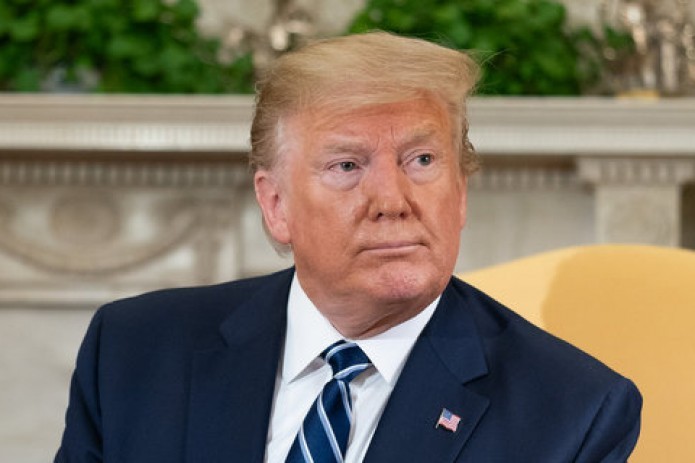
As the coronavirus threatens to push the global economy into recession, the Trump administration is rolling out an unusual idea: handing out free money. President Donald Trump and Treasury Secretary Steven Mnuchin on Tuesday proposed mailing out checks of up to $1,000 to American adults to quickly pump hundreds of billions of dollars into the U.S. economy at a time when airlines are slashing flights and officials are shuttering restaurants, sports arenas and other public venues.
Though details remained unclear, Washington could turn to the playbook it deployed in February 2008, when the Great Recession was just taking hold. The Economic Stimulus Act of 2008 provided payments averaging $600 per person, injecting more than $100 billion into the economy within a matter of months.
The payments were directly deposited into bank accounts by the U.S. Internal Revenue Service (IRS) to taxpayers who filed their taxes electronically, or came as paper checks to other taxpayers. Individuals who didn’t make enough to pay federal taxes still had to file an IRS statement that year to get a payment.
Economists concluded that it was one of the most effective measures deployed to blunt the impact of the worst downturn since the 1930s.
Any such program would need Congressional approval. Support in both the Republican and Democratic parties has been building.
“We simply need to use existing systems to get cash in the hands of workers and their families as quickly as possible,” Republican Senator Tom Cotton said on the Senate floor on Monday, as the chamber returned to town to consider an economic-aid package that was overwhelmingly passed by the House of Representatives on Saturday. Cotton has in the past criticized benefit programs and voted against disaster relief bills.
Advocates say it would have a more immediate effect than other proposals, such as a payroll tax cut, because the government could get money into peoples’ hands within a matter of months and those dollars would quickly circulate back into the economy.
“I think you should just give people money. They will spend more of it,” said Claudia Sahm, director of macroeconomic policy at the Washington Center for Equitable Growth.
Republican Senator Mitt Romney and Democratic Senator Sherrod Brown advocated for $1,000 payouts on Monday, while Democratic Senator Kamala Harris called for “emergency cash” for families.
Some economists say most U.S. households have little, if any savings, and the money could be used to cover rent or other bills if they lose work, or go toward necessities such as groceries, circulating back into the economy.
.png "YouTube UZREPORT TV")